
Chain of Responsibility (CoR) under the Heavy Vehicle National Law (HVNL)
What is the Chain of Responsibility?
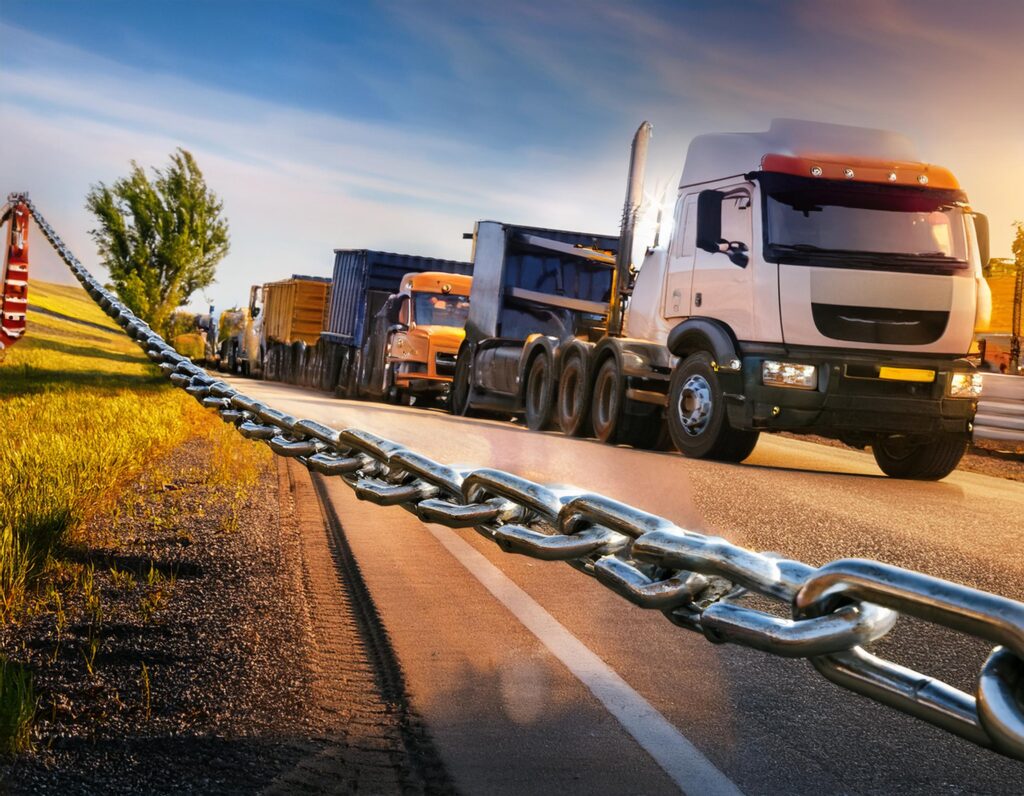
The Chain of Responsibility (CoR) is a key part of the Heavy Vehicle National Law (HVNL) in Australia. It means that everyone involved in transporting goods is responsible for safety—not just the drivers. This includes operators, loaders, and even customers (consignors and consignees). If something goes wrong, everyone can be held accountable.
Why It Matters
Not following CoR rules can lead to serious consequences, including heavy fines and even jail time. Recent cases show just how crucial it is to understand and comply with these laws.
The Master Code: Your Safety Guide
The Master Code is an important resource for transport businesses. It provides practical guidelines to help meet CoR obligations. Key areas it covers include:
-
- Speed Limits: Keeping within legal speed limits.
-
- Fatigue Management: Making sure drivers get enough rest.
-
- Vehicle Standards: Ensuring trucks are safe and well-maintained.
While following the Master Code is voluntary, it can be used in court to show what’s considered “reasonably practicable” when it comes to safety.
Everyone Shares the Responsibility
Under CoR, all parties involved must work together to ensure safety. This means:
-
- Drivers: Stay within speed limits and manage your fatigue.
-
- Employers and Schedulers: Create realistic schedules that allow for breaks and proper rest.
-
- Loaders and Consignors: Ensure loads are safe and within legal limits.
If you don’t meet these responsibilities, there can be serious legal and financial penalties.
Real Consequences: The Connect Logistics Case
A tragic case involved Connect Logistics, where four police officers died due to unsafe practices. The company faced a $2.31 million fine, and its operations manager was sentenced to three years in prison. This highlights how severe the consequences can be for not following CoR laws.
Types of Penalties
-
- Category 1 Offences: These are the worst violations and can lead to fines up to $3 million for companies and up to five years in prison for individuals.
-
- Category 2 Offences: These still carry hefty fines, up to $1.5 million for businesses and $150,000 for individuals.
-
- Category 3 Offences: These are the least severe breaches and usually involve a failure to comply with a requirement but do not result in serious risk or harm. They typically incur lower penalties.
-
- Company executives can also be held accountable, meaning that their decisions and oversight matter when it comes to safety.
How to Stay Compliant
To keep your business compliant with CoR laws:
-
- Regular Audits: Check processes and records often.
-
- Driver Training: Make sure all drivers understand their responsibilities.
-
- Adopt the Master Code: Use it as a framework to manage risks.
For managers, it’s essential to stay informed about transport operations and ensure safety measures are in place. Clear documentation is key to showing compliance.
Building a Safety Culture
Encourage a workplace culture where everyone takes responsibility for safety. This includes regular training and open communication about risks.
Common Compliance Mistakes
Some common pitfalls include:
-
- Neglecting Fatigue Management: Not allowing drivers enough rest can lead to dangerous situations.
-
- Poor Documentation: Failing to record safety procedures makes it hard to prove compliance.
Conclusion
Staying compliant with CoR laws is vital for the safety of everyone involved in transportation. The risks of non-compliance can lead to hefty fines and imprisonment, so it’s important to understand your role.
By implementing the Master Code, conducting regular audits, and fostering a culture of safety, you can help ensure your business stays on the right side of the law and protect everyone involved.